

-228x228.jpg)

-228x228.jpg)


-228x228.jpg)


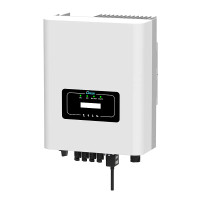
Grid-Tied string solar inverters
A grid-tied solar inverter (or grid inverter) is a key component in solar energy systems, enabling the conversion of direct current (DC), produced by solar panels, into alternating current (AC) used in home electrical grids or fed into the general power grid. They are essential for the operation of solar power plants connected to the electrical grid. Their primary function is to integrate solar energy into the grid, reducing dependency on traditional energy sources and significantly lowering electricity costs.
We offer a wide range of high-quality inverters that ensure efficient use of solar energy to power electrical devices in your home or business.
Key features of grid-tied string inverters:
- Energy conversion: The main task of a grid-tied inverter is to convert the direct current produced by solar panels into alternating current compatible with standard electrical grids. The standard AC voltage depends on the region, for example, 220-240V in Ukraine and most European countries.
- Grid synchronization: Grid-tied inverters automatically synchronize with the frequency of the electrical grid to which the solar system is connected. This allows the solar power plant to safely and efficiently transfer electricity to the general grid.
- Selling excess energy: One of the key advantages of using grid-tied inverters is the ability to sell excess energy back to the grid through the "green tariff." This allows owners of solar power plants to profit from the energy produced but not used.
- No batteries: Grid-tied inverters operate without batteries, as all the energy is either used on-site or sent to the general grid. This reduces system costs and simplifies maintenance.
- Shutdown function in case of grid failure: Most grid-tied inverters have an automatic shutdown function in the event of grid failures, ensuring the safety of electrical service workers who may be repairing lines. This protects against backfeed into the grid during repairs.
- System monitoring: Modern grid-tied inverters are equipped with remote monitoring features, allowing real-time tracking of the solar system's performance via smartphones or computers. This enables prompt responses to any issues or performance drops.
Main advantages of string grid-tied inverters:
- Cost-effectiveness: Grid-tied systems without batteries are cheaper and easier to set up as they do not require expensive energy storage components.
- Support for clean energy: Grid-tied inverter owners not only save on electricity bills but also reduce dependence on fossil fuels by selling "green" energy to the grid.
- Ease of maintenance: Since there are no batteries, grid-tied solar systems require less maintenance and have a longer lifespan.
Disadvantages of grid-tied inverters:
- No backup power: If the grid goes down, even if the solar panels are generating energy, grid-tied inverters also shut down due to the lack of grid synchronization. For backup power, hybrid systems or batteries are needed.
- Dependence on the external grid: Grid-tied inverters are fully dependent on the electrical grid. If there are outages, the solar system stops working.
Uses of grid-tied inverters:
- Home solar power plants: Homeowners often use grid-tied inverters to reduce electricity bills and sell excess energy to the grid.
- Commercial buildings: In offices and businesses, grid-tied inverters help reduce electricity costs by using solar energy during the workday when electricity consumption is highest.
- Industrial projects: Grid-tied inverters are also used in large solar power plants connected to the general grid, supplying large volumes of energy.
Grid-tied solar inverters are an integral part of modern solar energy systems, allowing for the efficient use and integration of renewable energy into national power grids.
By choosing our grid-tied solar inverters, you are investing in a reliable, eco-friendly, and cost-effective energy solution.
Start your journey toward green energy with Lirik Solar today!


-200x200.jpg "String solar inverter Solis S5-GR3P15K (15 kW, 3 Phase, 2 MPPT)")