-228x228.jpg)
-228x228.jpg)
-228x228.jpg)

-228x228.jpg)
-228x228.jpg)
-228x228.jpg)

-228x228.jpg)
-800x800-228x228.webp)
-228x228.jpg)
-228x228.jpg)
-228x228.jpg)
-228x228.jpg)
-228x228.jpg)
-228x228.jpg)

-228x228.jpg)
-228x228.jpg)

-228x228.jpg)
-228x228.jpg)
-228x228.jpg)
-228x228.jpg)

Stationary Solar Panels
Stationary solar panels are the main components of solar electric systems that are installed on a permanent basis, typically on rooftops of houses or specially designated land areas.
They provide the conversion of solar energy into electricity, which is used to power electrical devices or fed into the general power grid.
Types of Solar Panels:
- Monocrystalline: Made from a single silicon crystal, they have high efficiency and a long lifespan. They typically have a uniform black appearance.
- Polycrystalline: Made from multiple silicon crystals, usually with lower efficiency compared to monocrystalline panels but also lower cost. They have a bluish tint.
- Thin-Film: Produced by applying thin layers of photovoltaic materials onto a substrate. They are more flexible and lightweight but generally have lower efficiency compared to crystalline panels.
Sizes and Shape:
Stationary solar panels come in standard sizes, which may vary depending on the manufacturer and type of panels. They can be square or rectangular and designed for different power outputs.
Efficiency:
The efficiency of a solar panel determines how much of the sunlight is converted into electrical energy. It typically ranges from 15% to 22% for monocrystalline panels and from 12% to 18% for polycrystalline ones.
Weather Resistance:
Stationary solar panels are made from materials that withstand various weather conditions, including rain, snow, hail, and ultraviolet radiation. They must be reliably protected from corrosion and mechanical damage.
Warranty and Lifespan:
Modern solar panels typically come with a warranty of 10 to 25 years, ensuring their durability and reliability. The lifespan of panels can be even longer with proper maintenance.
Advantages of Stationary Solar Panels:
- Environmental Friendliness: Solar panels provide a renewable energy source, reducing dependency on fossil fuels and lowering CO2 emissions.
- Reduced Electricity Costs: Solar panel owners can lower their electricity bills by using the energy produced by their panels.
- Resilience to Power Outages: Solar panels provide an independent source of electricity, which is especially beneficial in regions with unstable power supply.
- Increased Property Value: Homes with installed solar panels may have higher market value due to energy efficiency and environmental benefits.
- Minimal Maintenance: Solar panels require minimal upkeep. Usually, periodic cleaning from dust and dirt is sufficient to ensure efficient operation.
Disadvantages of Stationary Solar Panels:
- Initial Installation Cost: The cost of purchasing and installing solar panels can be high. However, over time, these costs can be offset by reduced electricity expenses.
- Weather Dependency: Solar panels’ efficiency decreases on cloudy days and at night, which may impact overall system performance.
- Space Requirements: Adequate space is needed for optimal performance, which can be a challenge for certain types of buildings or plots of land.
- Visual Impact: For some, the appearance of solar panels may be undesirable or incompatible with the architectural style of the building.
Uses of Stationary Solar Panels:
- Residential Homes: To meet energy needs and reduce electricity costs.
- Commercial Buildings: To reduce electricity expenses and as part of corporate social responsibility strategies.
- Industrial Facilities: To cover part of energy needs and reduce environmental impact.
- Remote Locations: To provide electricity in places with limited or no access to the power grid.
Stationary solar panels offer an effective and reliable solution for converting solar energy into electricity, providing an environmentally friendly, economical, and sustainable alternative to traditional energy sources.
Choose our stationary solar panels for your property and enjoy the benefits of clean and efficient energy. Switch to clean energy today and ensure a reliable source of electricity for your home or business!
Discover the world of clean energy with Lirik Solar and our advanced stationary solar panels—take a step into the future of energy today!
-200x200.jpg "Solar panel 640W LONGI Solar Hi-MO X10 Explorer LR7-72HVD-640M Bifacial")
-200x200.jpg "Solar panel 450W LONGI Solar Hi-MO 7 Preliminary LR8-48HGD-450M Bifacial")

-200x200.jpg "Solar panel 485W LONGI Solar Hi-MO X10 Explorer LR7-54HVH-485M")
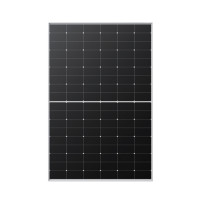
-200x200.jpg "Solar panel 475W LONGI Solar Hi-MO X10 Explorer LR7-54HVH-475M")
-800x800-200x200.webp "Solar Panel 575W TONGWEI TW Solar TWMND-72HD575W Bifacial Module")
-200x200.jpg "Solar panel 620W LONGI Solar Hi-MO 7 LR8-66HGD-620M Bifacial")